White Rock's hillside terrain and bluff-top properties demand properly engineered retaining walls. We build concrete, block, and stone walls designed for the coastal Pacific Northwest.
White Rock is one of the most topographically distinctive communities in the Lower Mainland. The city rises steeply from the waterfront promenade along Marine Drive to the residential hillside above — a vertical rise of roughly 60 metres over a horizontal distance of less than 500 metres in some sections. This dramatic grade change means retaining walls are genuinely structural necessities for most residential properties on the hillside, not decorative landscaping choices.
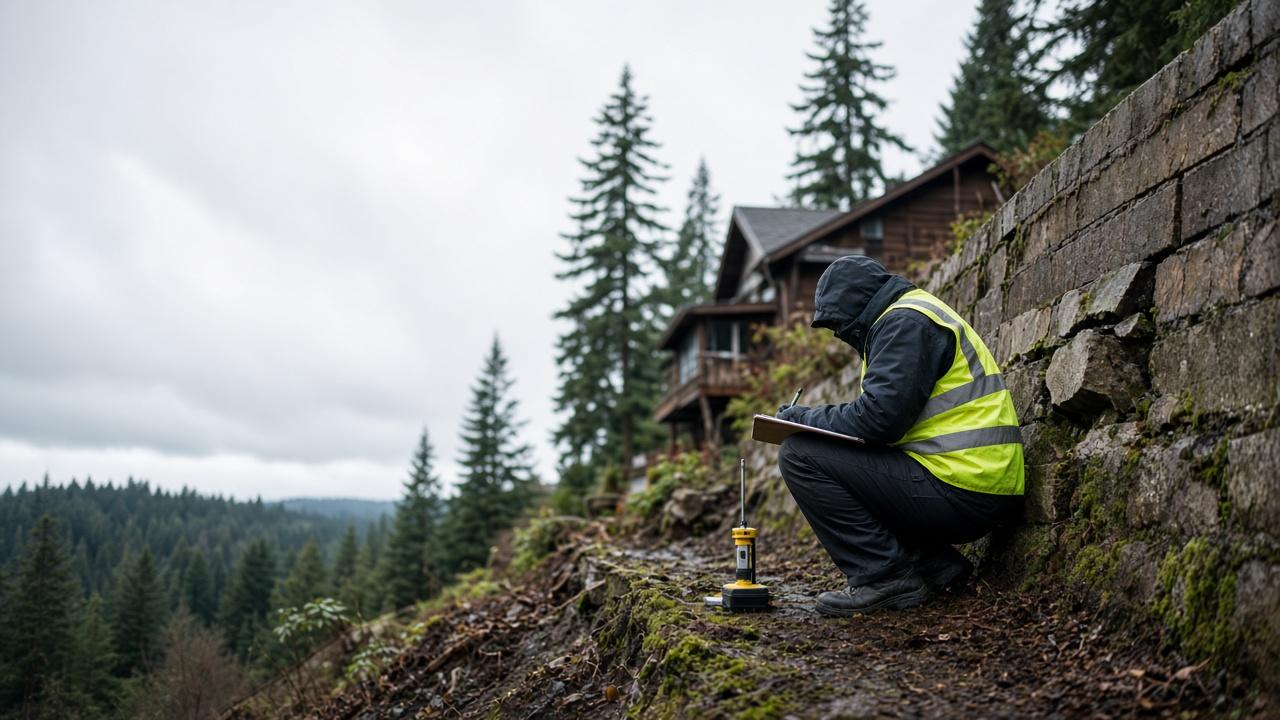
Properties on White Rock's hillside typically have sloped lots that require terracing to create usable outdoor space. Many of the city's homes sit on lots carved from the hillside in the 1950s through 1970s — a period when wall construction standards were considerably more relaxed than today's BC Building Code requirements. The combination of age, the steep slope gradients, and the high rainfall the area receives has produced a significant stock of walls that are past their practical service life.
White Rock's geology is predominantly glaciomarine silty clay over older glacial till on the hillside areas. This is some of the more challenging soil for retaining wall drainage — the native clay is nearly impermeable, meaning any water that infiltrates the fill zone behind a wall will stay there without a proper drainage system. We design drainage details specifically for these conditions: larger gravel zones, more robust drain tile, and daylight outlets placed carefully to avoid washing out garden beds below.
White Rock is a separate municipality from Surrey, with its own building permit department. Given the city's small land area and the prevalence of steep lots, the building inspection office has significant experience with retaining wall permit applications. Walls over 1.2 m require permits; the steep terrain in many areas means walls over 1.5 m with engineer review are common. Abbotsford Retaining Wall Pros serves property owners across White Rock with free site assessments and detailed project quotes.
Site Conditions in White Rock
White Rock hillside soils are dense glaciomarine silty clay with very low permeability — among the most challenging drainage conditions in the region. The hillside receives coastal precipitation directly off Georgia Strait, with annual totals of 1,200–1,400 mm. Steep gradients (some lots exceed 30%) mean surcharge load calculations and proper batter specifications are critical. The waterfront strip (Marine Drive and below) has well-draining sandy beach deposits but is rarely the location of retaining wall work.
Common Wall Types in White Rock
- Poured concrete — steep hillside applications where height and surcharge require maximum structural performance
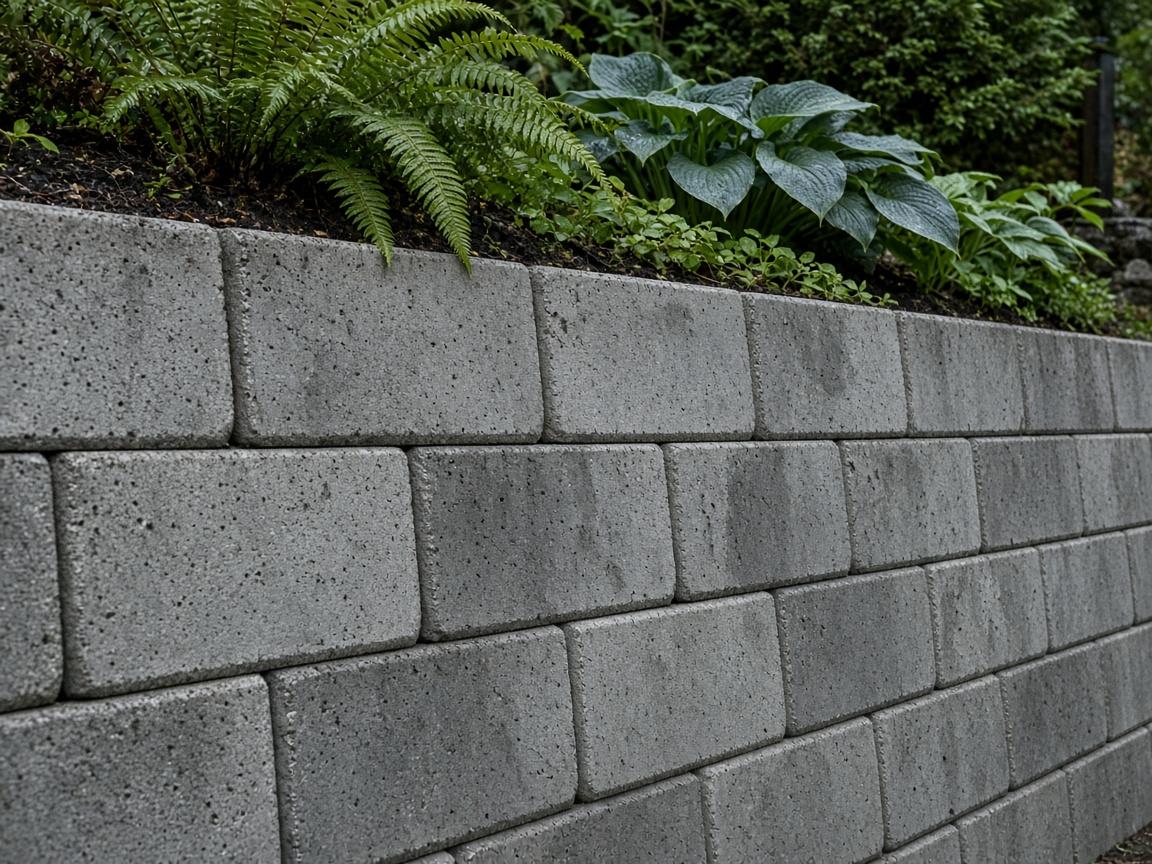
- Segmental concrete block with geogrid — residential terracing on mid-slope properties
- Natural stone and armour stone — heritage character properties and ocean-view lots where aesthetics match the coastal setting
- Interlocking stone — upper hillside residential with premium landscaping budgets
Local Notes
White Rock's building permit office (City of White Rock) is small but experienced with hillside retaining wall applications. Engineer review is frequently required for walls on the steeper hillside sections. White Rock's compact geography means most work sites have challenging access — narrow lanes, limited staging space, and close proximity to neighbouring structures. We assess access as part of the initial site visit and plan equipment accordingly. City of White Rock Building Department: (604) 541-2100.